
The Giza Pyramid Complex
The pyramids were built as tombs for royal families and as vaults for the treasures they would need in the afterlife. Egypt has no fewer than 97 of them, strung along an imaginary line where the desert meets the farmland. The most famous of all — one of the Seven Wonders of the World — stand in the Giza pyramid complex, together with the Sphinx.
The Pyramid of Khufu (Cheops)
The largest pyramid at Giza, built by King Cheops (4th dynasty, 2690 BCE). Originally 146 m tall, now 136 m after erosion of the apex.
The Pyramid of Khafre (Chephren)
Built by King Chephren, son of Cheops (2650 BCE). It stands 136 m tall, with sides 214 m long.
The Pyramid of Menkaure (Mycerinus)
Built by Menkaure, son of Chephren (2600 BCE). It is 62 m tall, with granite-clad sides of 104 m.
The Great Sphinx
An ancient statue with a lion’s body and a human head, 70 m long and 20 m high, built by King Chephren.
Historic Monuments & Museums
National Museum of Egyptian Civilization (NMEC)
In Fustat, about 4 km from central Cairo. It holds 22 royal mummies — 18 kings and four queens — including Ramesses II.
St George’s Church & the Hanging Church (Al-Mu’allaqa)
In Old Cairo (Fustat), the Coptic centre at the time Amr ibn al-As conquered Egypt. The Hanging Church was built in the fifth century CE atop the Babylon Fortress.
St Mark’s Cathedral
The largest church in Africa, in the Abbassia district. It holds the relics of St Mark, the first pope to bring Christianity to Egypt.
The Tree of the Virgin Mary
In El Matareya, Ain Shams, Cairo. More than 2,000 years old, it is where the Virgin Mary is said to have sheltered with the infant Jesus.
Historic Mosques
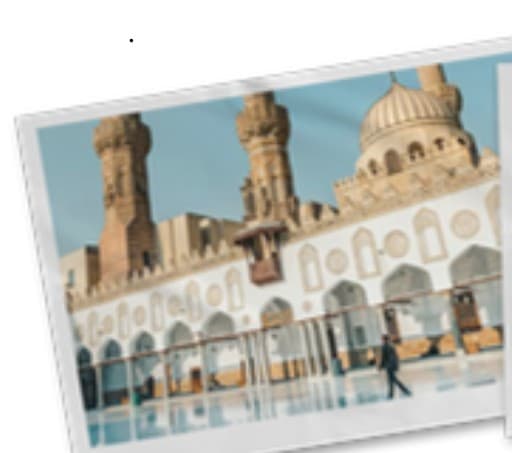
The Mosque of Amr ibn al-As
The first mosque in Africa, built by the commander Amr ibn al-As on the order of Caliph Umar ibn al-Khattab (21 AH / 641 CE).
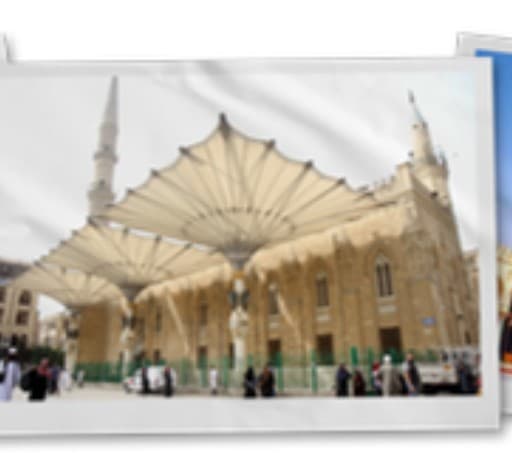
The Al-Azhar Mosque
Founded in 972 CE by Jawhar al-Siqilli. Al-Azhar University opened here in 975 CE and continues to this day.
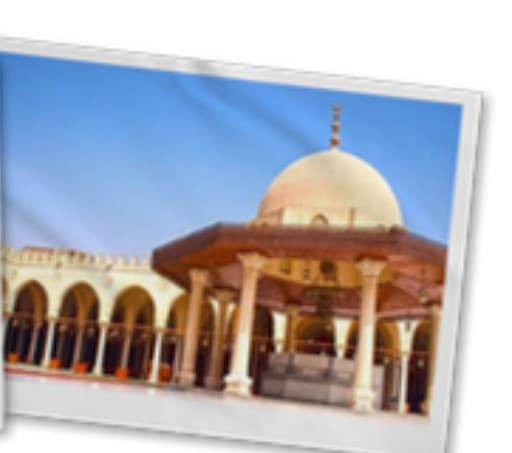
The Imam Hussein Mosque
Holds the tomb of Imam Hussein ibn Ali, grandson of the Prophet Muhammad. It is the centre of Islamic feast-day observance in Egypt.
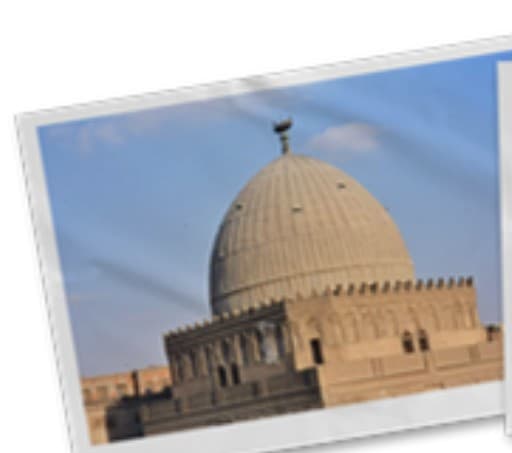
The Imam al-Shafi’i Mosque
Adjoins the tomb of Imam Muhammad ibn Idris al-Shafi’i, one of the four founding imams of Sunni jurisprudence.
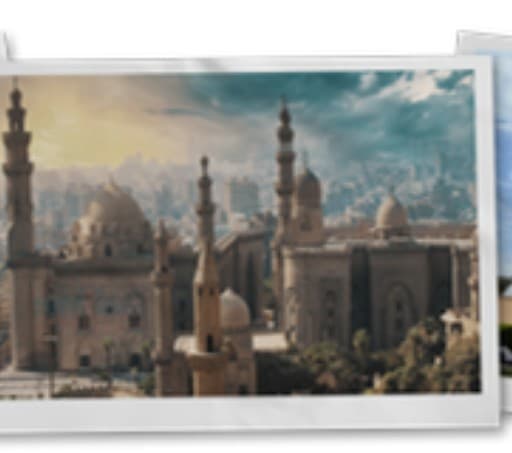
The Sultan Hassan & Al-Rifa’i Mosques
Built by Sultan Hassan (1348–1351 CE) and also used as a school for the four schools of jurisprudence. Beside it, the Al-Rifa’i Mosque holds the tombs of King Farouk and Shah Reza Pahlavi.
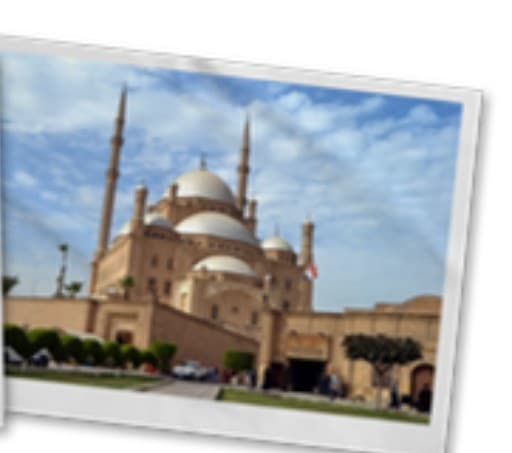
The Mosque of Muhammad Ali (the Alabaster Mosque)
Its walls are clad in alabaster. Standing within the Citadel of Salah al-Din, its minarets are visible from almost anywhere in old Cairo.
Iconic & Historic Sights
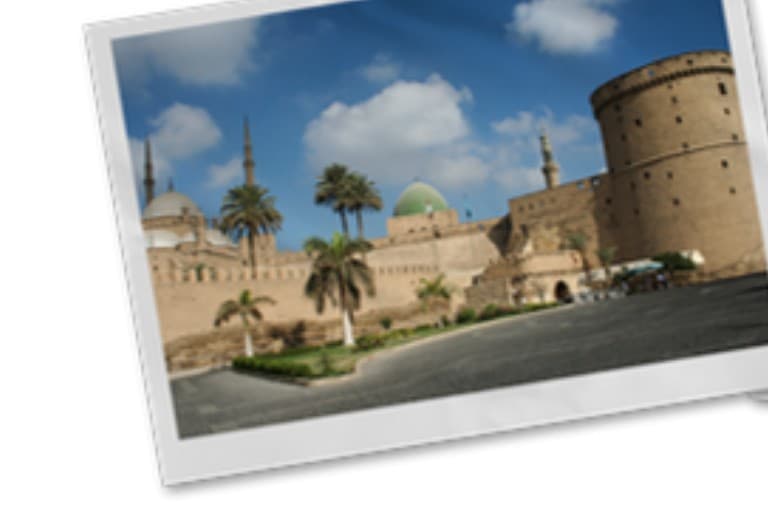
The Citadel of Salah al-Din al-Ayyubi
Built by the commander Salah al-Din al-Ayyubi in 1183 CE to fortify Cairo, particularly during the Crusades.
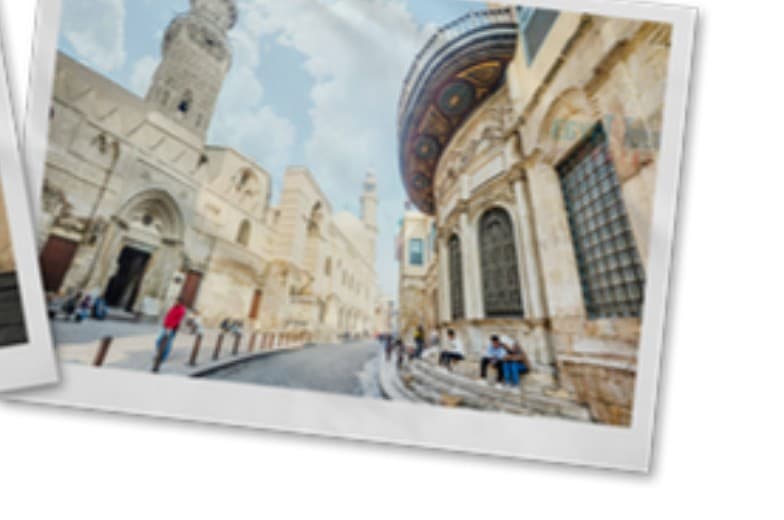
Al-Muizz Li-Dinillah Street
The oldest street in Cairo, laid out in the Fatimid period (910–1171 CE). It is lined with mosques, tombs and historic monuments, including the Qalawun Complex.
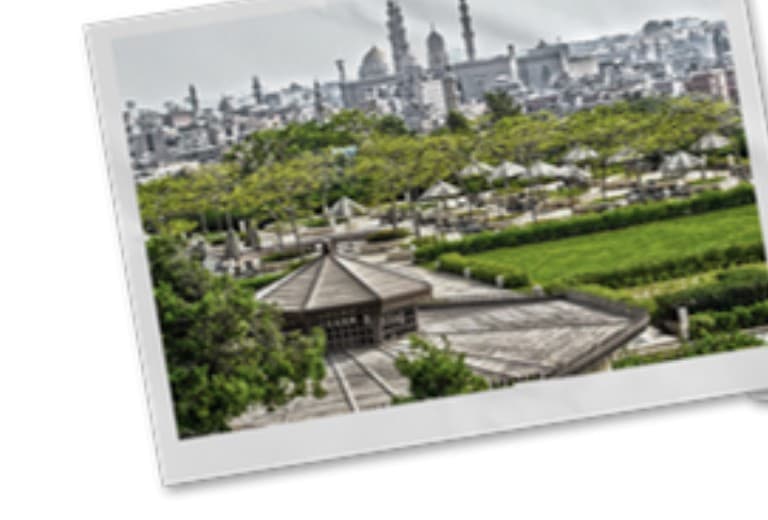
Al-Azhar Park
A 30-hectare park in Al-Darrasah, created in 1984 at the initiative of Aga Khan IV, looking directly onto the Citadel of Salah al-Din.
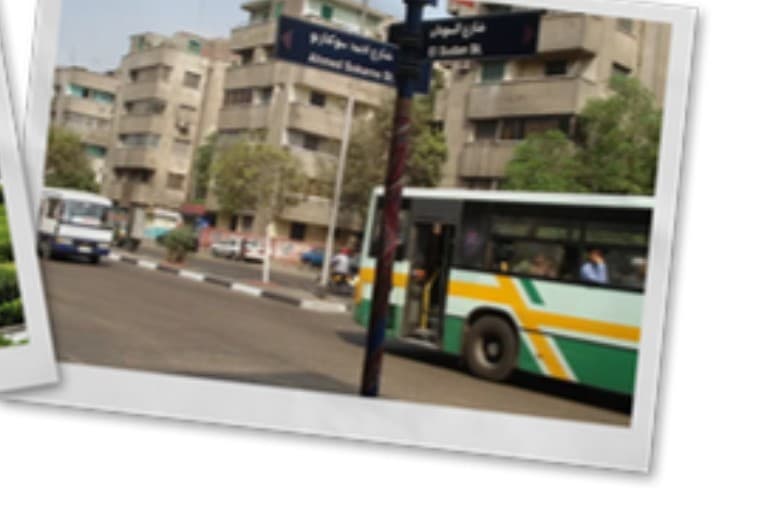
Ahmad Sukarno Street
Opened around 1960 during the Nasser era, a symbol of Indonesian–Egyptian friendship after the 1955 Asian–African Conference.