
Tracing Egypt’s Timeline: From the Pharaohs to the Modern Republic
Egypt is not merely a country; it is a living timeline of civilisation. Its long history, stretching back more than 7,000 years, first opened up to scholarship when the French scholar Champollion deciphered hieroglyphics through the Rosetta Stone, found during Napoleon’s expedition of 1798.
Throughout antiquity, this fertile land along the Nile was ruled by some 330 pharaohs — among them figures as celebrated as Ramesses II and Tutankhamun. The civilisation kept evolving: the ancient capital moved to Thebes (Luxor), Roman Alexandria flourished, and Islam arrived peacefully under the commander Amr ibn al-As in 641 CE. That Islamic legacy still stands today in the legendary Citadel of Salah al-Din al-Ayyubi.
In the twentieth century Egypt became a dynamic modern political stage: in 1922 and 1953 it left the British protectorate to become a republic; under Gamal Abdel Nasser (1956) it nationalised the Suez Canal; under Anwar Sadat (1973–1979) it won the Sinai War and went on to sign the Camp David peace accords; and the twenty-first century (2011–present) has seen the revolution of 2011 through to the government of President Abdel Fattah El-Sisi, who has led a newly stable Egypt since 2014.
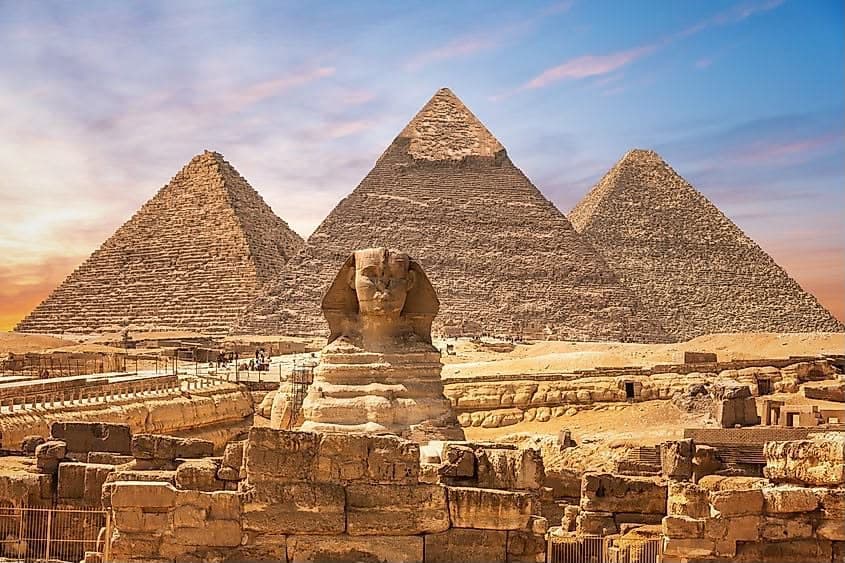
Why Cairo & Luxor Are the Perfect Hosts for the 2026 International Symposium
1. Cairo: Gateway to the Old Kingdom
Cairo and the areas around it — Memphis and Saqqara among them — are the foundation of Egyptian civilisation: where the first dynasties laid down the state, raised the oldest pyramids, and drew up the administrative blueprint of the ancient world. Holding the symposium in Cairo is a nod to those historical roots and to the beginnings of civilisation.
2. Luxor: A Reflection of the New Kingdom
When Egypt entered its golden age of expansion, the centre of gravity shifted to Thebes — known today as Luxor. The city stands for modernisation in the ancient world, architecture at its height, and international diplomacy in the age of the pharaohs. The Luxor sessions stand for that peak of achievement, and for a vision of the future.
In Closing
Bringing Cairo and Luxor together gives the 2026 International Symposium a powerful narrative: "connecting the foundations of the past (the Old Kingdom) to the achievement and innovation of the future (the New Kingdom)." It is a setting no other country in the world could reproduce.
Principal Cities
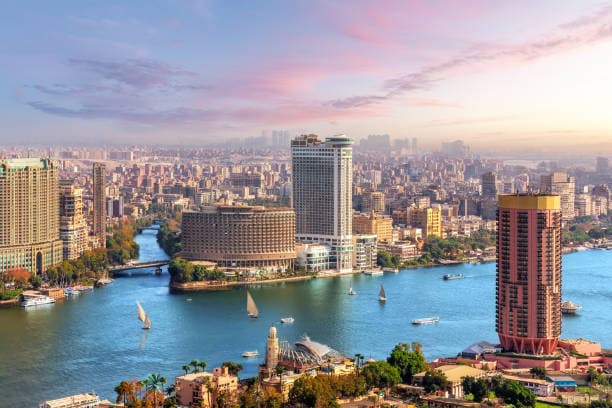
Cairo
After conquering Egypt in 641 CE, Amr ibn al-As made Fustat the seat of government. The capital moved several times until the Fatimid dynasty, under Jawhar al-Siqilli, relocated it in 973 CE to the area around the Al-Azhar Mosque and named it Al-Qahirah — Cairo, Egypt’s capital ever since.
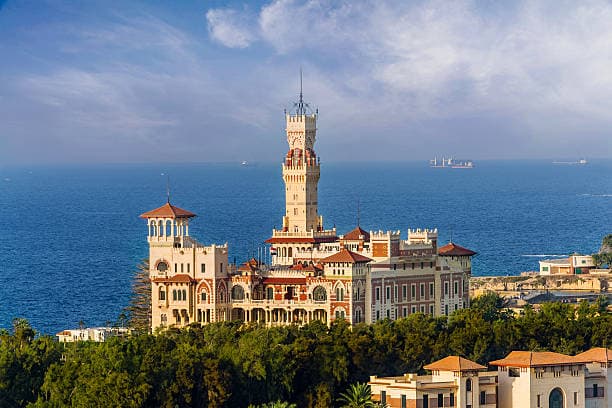
Alexandria
A port city on the Mediterranean coast, founded by Alexander the Great in 331 BCE. It is known for the Pharos Lighthouse, one of the Seven Wonders of the Ancient World, and for a great library that once rivalled Athens. Egypt’s second-largest city and its hub for imports and exports.
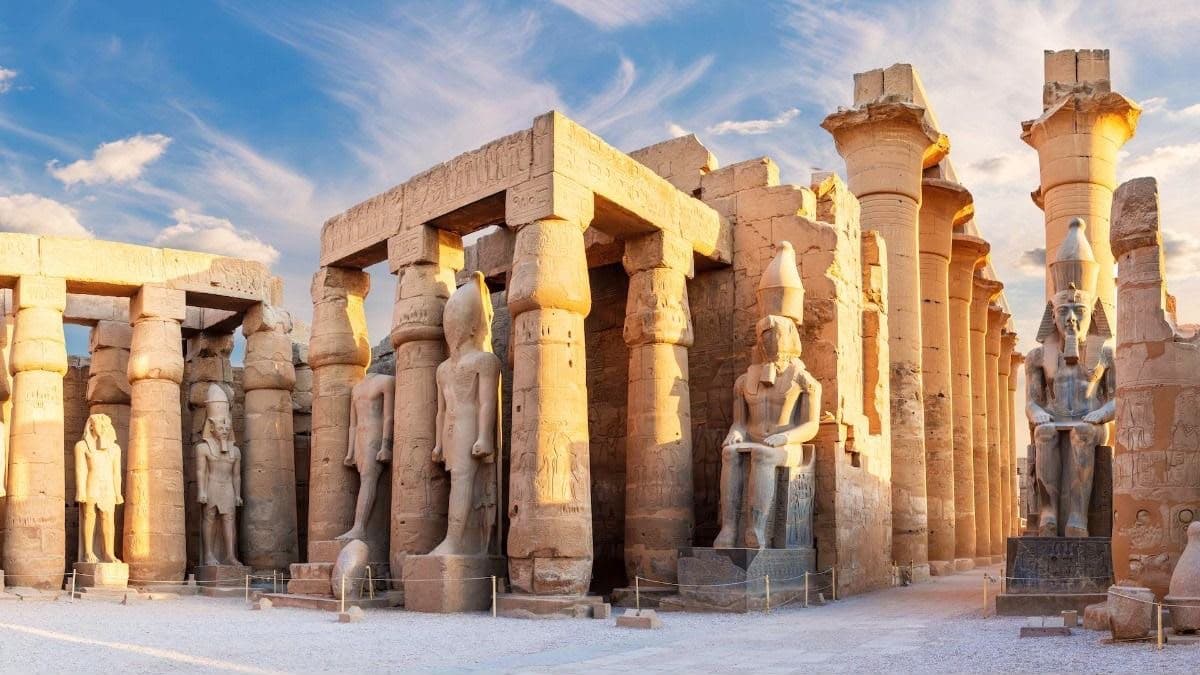
Luxor
Once the capital of ancient Egypt, and rich in remains such as the Karnak Temple, the Avenue of Sphinxes and the Valley of the Kings. Part of ancient Thebes, which Arabs called Al-Aqsar — "the palaces".